All Categories
Featured
More recent quotes recommend over 70 million Americans participate in freelance work in some capacity roughly one in 3 employees. Inside business, AI is beginning to sculpt up what utilized to be full-time tasks into job portfolios. Microsoft's Copilot research study is currently mapping genuine AI usage against the U.S. Department of Labor's job taxonomy, showing that numerous occupations are clusters of AI-addressable tasks instead of indivisible roles.
Expert system can do the work presently performed by almost 12% of America's labor force, according to a current from the Massachusetts Institute of Innovation. This is where "gray collar" can be found in. We currently have this term for people who sit between white-collar and blue-collar (ie, nurses, dental assistants, and so on). Believe fractional CMOs, contract data researchers, part-time item leaders, gig-based UX teams, and AI-augmented copywriters selling their time in slices to numerous customers.
Strategic Enterprise Modernization for the 2026 ShiftWorkers get flexibility AND fragility at the same time. The social contract of full-time white-collar work shifts from "we'll take care of you" to "we'll give you a platform." Historically, pensions were changed by 401(k)s; the next phase replaces job titles with individual operating systems and portable professional track records. It is with some paradox that lots of late-stage profession knowledge employees (with gray hair) are discovering themselves transitioning into gray-collar work after a layoff.

Boomers and Gen Xers who age out, Gen Zers who pull out, and even millennials who burn out are discovering themselves in the gray-collar class, either by option or need. Press go into or click to see image in complete sizeHigher ed is under pressure from three sides: AI in the classroom, fewer traditional entry-level roles, and an intensifying trainee debt problem.
About 42.3 million Americans hold federal trainee loan debt, with overall federal balances around $1.67 trillion and approximately $1.81 trillion when you include private loans. At the very same time, policy around payment keeps shifting.
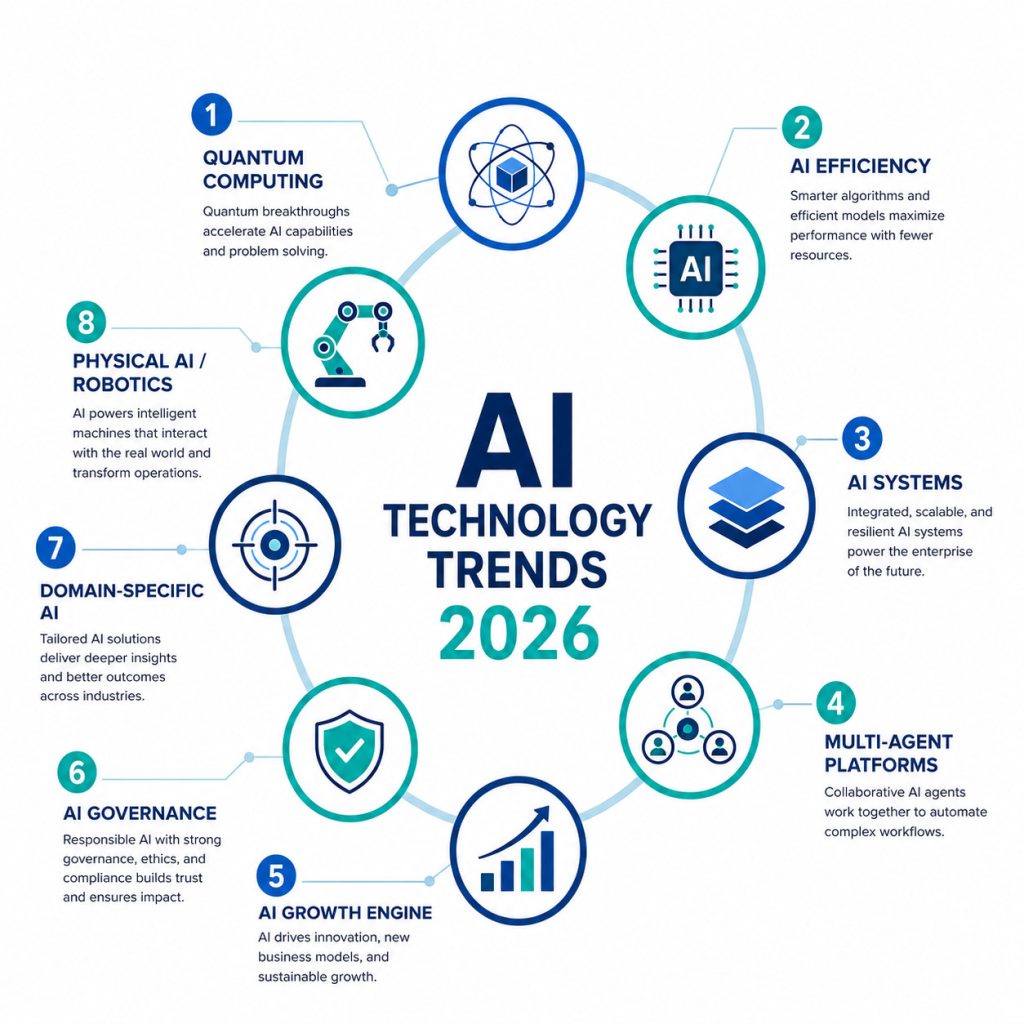
Upgrading Your IT Foundation for a Digital Shift
Department of Education's SAVE income-driven plan, which registered roughly 7.7 million customers, is now being phased out after a legal obstacle, requiring those debtors into less generous choices. That unpredictability only enhances uncertainty from younger generations who already saw older siblings or parents battle under loan burdens. Layer AI on top of this.
Greater ed pivots from "buy a degree" to "train to be an adult in a world where the old playbook is gone."Press get in or click to see image completely sizeAs AI-generated everything ends up being cheap and plentiful, the scarcest resources in lots of classifications will be human attention, effort, and presence.Research in locations like fashion style already shows a constant choice for human-created work over AI-generated output when individuals know the difference. More recent commentary in the sector argues that in an AI-saturated market, what commands a premium is emotional importance and original ideas that stand apart from what models can easily copy. If AI-authored content, AI-rendered images, and AI-driven service circulations are everywhere, then a real individual addressing the phone ends up being a status marker. Hospitality brand names can lean into "100%human-hosted"as a feature. Areas and new housing communities are already explore styles that focus on distance and interaction, trading a little bit of personal privacy for connection in a culture starving for it. I've typically discussed how the employees at Trader Joe's make the experience feel unique, premium, and separated. If you're not acquainted with H-E-B, it delights in a practically fanatical following and has a virtual monopoly in the market. The majority of grocers don't even attempt to compete here. On the need side, you can already see the conversation forming. Comment threads and think pieces ask whether human-made items will end up being luxuries scheduled for a few, or whether regular individuals will still carve out small"human only" spaces in their lives.
Greater ed pivots from "purchase a degree" to "train to be an adult in a world where the old playbook is gone."Press go into or click to view image in complete sizeAs AI-generated everything becomes inexpensive and plentiful, the scarcest resources in many classifications will be human attention, effort, and presence.Research in areas like style design already reveals a constant choice for human-created work over AI-generated output when people know the difference. More recent commentary in the sector argues that in an AI-saturated market, what commands a premium is psychological significance and original ideas that stand apart from what models can quickly copy. If AI-authored content, AI-rendered imagery, and AI-driven service circulations are everywhere, then a genuine individual responding to the phone ends up being a status marker. Hospitality brands can lean into "100%human-hosted"as a feature. Areas and new real estate communities are already exploring with designs that prioritize proximity and interaction, trading a little bit of personal privacy for connection in a culture starving for it. I have actually frequently discussed how the workers at Trader Joe's make the experience feel special, premium, and distinguished. If you're not familiar with H-E-B, it enjoys a practically fanatical following and has a virtual monopoly in the market. Most grocers don't even try to contend here. On the demand side, you can currently see the conversation forming. Remark threads and think pieces ask whether human-made goods will become high-ends scheduled for a couple of, or whether normal individuals will still take little"human only" spaces in their lives.

Latest Posts
Building the 2026 AI-Cloud Strategy
Maximizing Business Efficiency Through Modern Modernization
Next-Gen Cloud Solutions for Rapid Growth